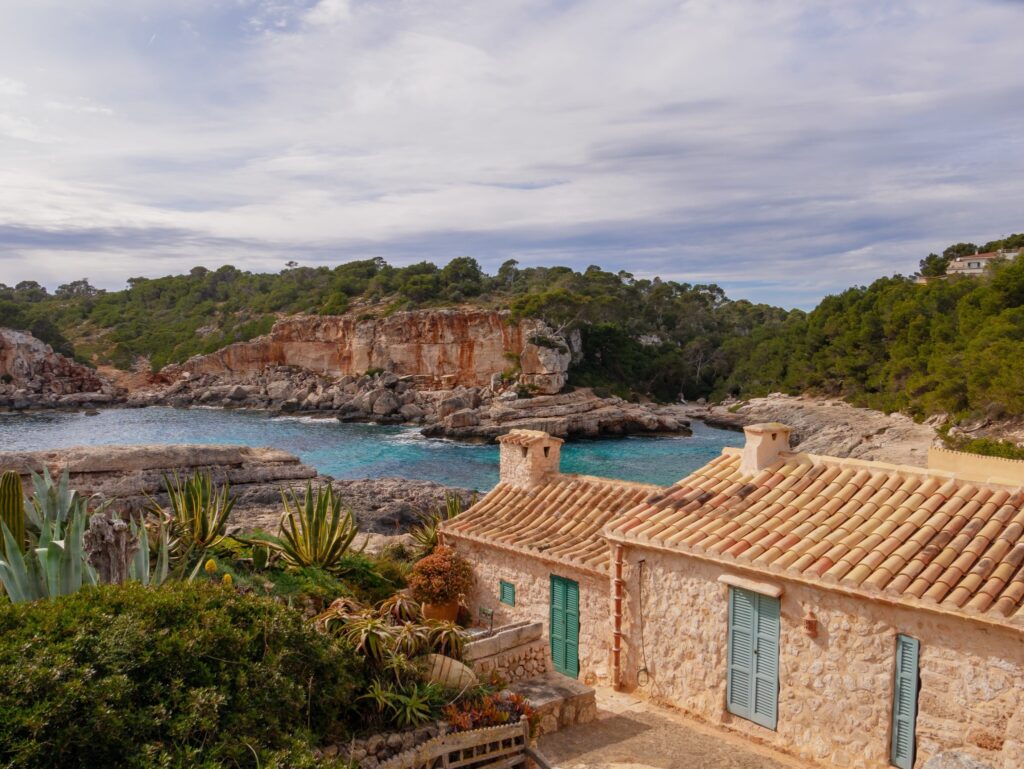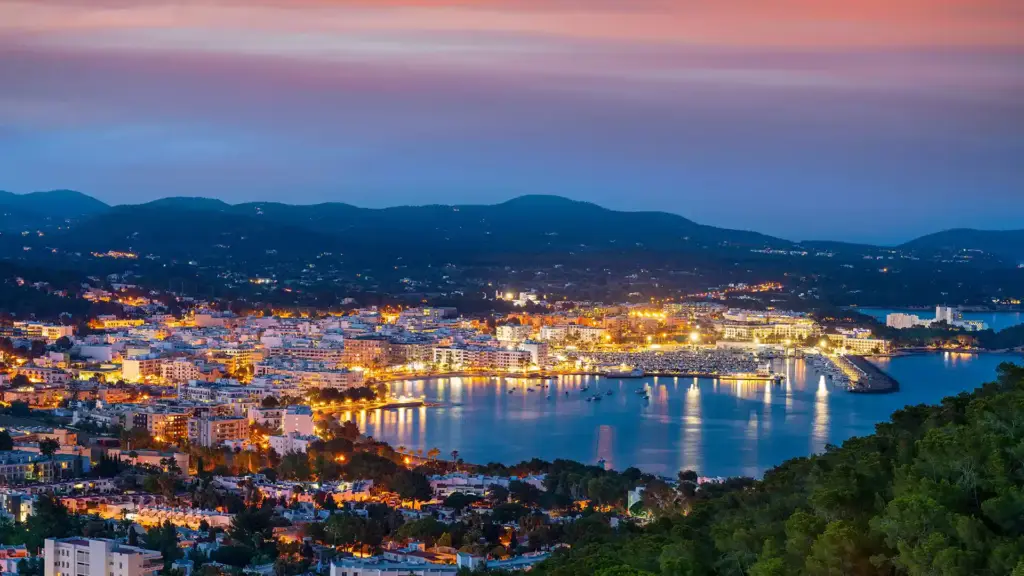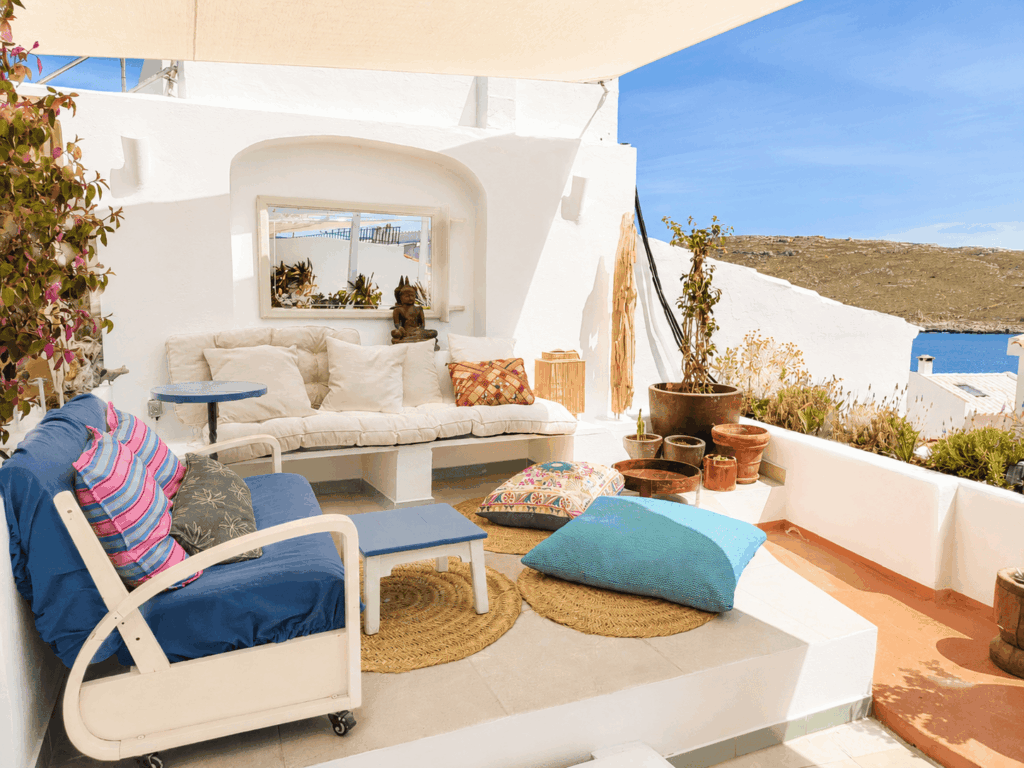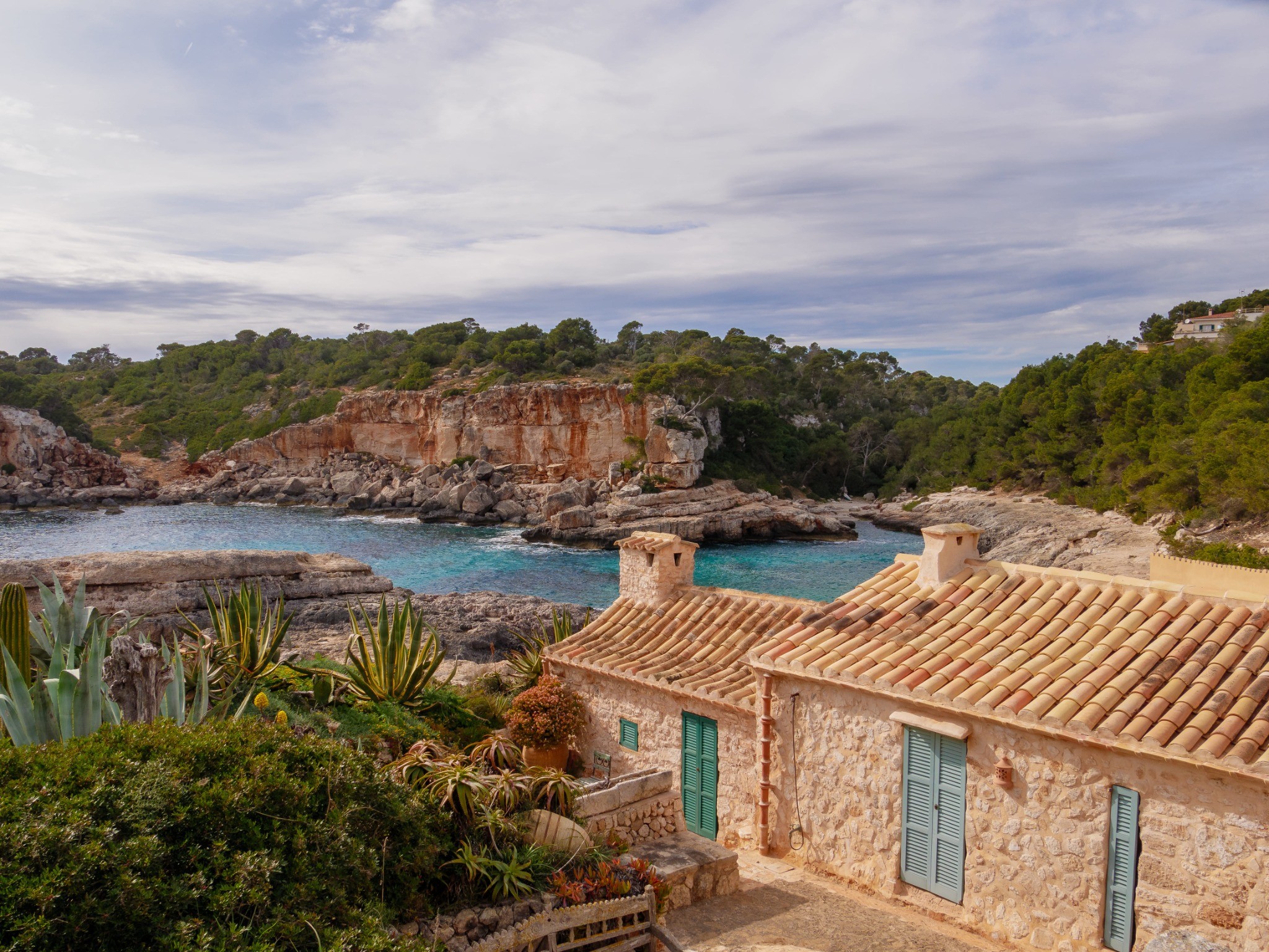
Menorca is best enjoyed when you don’t try to see everything in a single day. Its crystal-clear coves are a major attraction, but the island is also home to historic coastal paths, characterful villages, lighthouses perched above dramatic cliffs and an extraordinary prehistoric heritage. Knowing what to do in Menorca is largely about choosing experiences that suit the area, the season and the way you like to travel.
In this guide, you’ll find practical recommendations to help you plan your holiday: which beaches are worth visiting, which involve a walk, how to choose sections of the Camí de Cavalls, what to see in Ciutadella and Mahón, where to discover Menorcan cuisine and how to organise your days without spending unnecessary time on the road. We’ve also included ideas for families, couples and travellers who prefer nature to crowded attractions.
Menorca has been a UNESCO Biosphere Reserve since 1993, while Talayotic Menorca was added to the UNESCO World Heritage List in 2023. Both designations reflect the importance of the island’s landscape, archaeology and conservation. You can learn more through UNESCO’s Biosphere Reserves programme and the official UNESCO listing for Talayotic Menorca.
Where to Start: Northern and Southern Menorca Offer Very Different Experiences
f you’re deciding where to base yourself while exploring both coastlines, take a look at our vakantiewoningen in Menorca. Your accommodation’s location can make a significant difference to how much time you spend travelling each day.
Before making a list of Menorca activities, it’s worth understanding the island’s geography. The south is characterised by pale limestone, pine forests and numerous white-sand coves nestled between cliffs. The north tends to have more open landscapes, darker or reddish rock formations, beaches with different coloured sands and stretches of coastline particularly exposed to the wind.
Wind direction matters just as much as location. A beautiful beach might not be the best choice on a day when the sea is rough. Rather than committing to a particular cove too far in advance, prepare an alternative on the opposite coast. Check sea conditions, access arrangements and parking restrictions before setting off.
As a general guide, dedicate your southern coastal days to Cala Galdana, Cala Mitjana and the coves near Ciutadella. Save the north for Cala Pregonda, Cavalleria, Fornells and the landscapes around Favàritx. Historic towns and archaeological sites are excellent alternatives on windy days or whenever you fancy a break from the beach.
The Best Beaches in Menorca: Which Ones to Visit and How to Get There
Before planning a full day at the beach, have a look at our guide on what to pack for a holiday in Menorca, particularly if you’re planning to walk to coves without facilities.
Menorca’s beaches deserve their reputation, but accessibility varies considerably. Some have facilities and relatively straightforward access, while others require a walk in the sun. During summer, certain car parks also fill up early. Choosing one or two coves per day is usually more realistic than trying to visit four.
Cala Macarella and Macarelleta: Iconic Scenery and Coastal Views
Macarella is a south-western cove surrounded by pine trees and limestone cliffs. From here, you can continue to the smaller Macarelleta along a coastal path with changes in elevation and steps. The views along the way are part of the experience, so we recommend wearing suitable walking shoes and bringing a sun hat and sunscreen, particularly on hotter days.
During the high season, specific access restrictions may apply to Macarella, including shuttle bus services at certain times. Before visiting, check the latest information on the official Menorca tourism website. If you’re travelling with young children or anyone with reduced mobility, check the exact access arrangements before choosing this beach.
Cala en Turqueta: Clear Waters and a Popular Beach Setting
Cala en Turqueta is one of the most sought-after beaches on the south coast. Its pale sand and pine-covered surroundings make it an appealing choice for a morning swim. For that reason, it’s worth arriving early, as parking spaces are limited and the car park often fills up quickly during the high season.
It’s best to make this a proper beach outing rather than a quick stop between other activities. Set off early, bring water and something to eat, and allow enough time for the walk from the parking area.
Cala Mitjana and Cala Galdana: A Convenient Combination
Cala Galdana has a wide sandy beach and a good range of facilities, making it a convenient option for families. Several walking routes start nearby, leading towards more natural coves, including Cala Mitjana, which can be reached through a wooded area.
This combination works particularly well for groups with different preferences. Those looking for a comfortable beach day can stay in Cala Galdana, while others can spend a few hours walking to Cala Mitjana.
Cala Pregonda: The Reddish Landscapes of Northern Menorca
Cala Pregonda stands out for its golden sand, reddish rocks and offshore islets. The usual access involves walking from the Binimel·là area along a path exposed to the sun.
It’s one of the best options for travellers looking for something beyond a beach they can reach directly by car. Bring plenty of water and comfortable footwear, and aim to walk outside the hottest hours of the day. There are no facilities at the cove itself, so it’s worth arriving prepared.
The walk is part of the appeal, provided the weather conditions are suitable.
Son Saura, Cala Pilar and Other Alternatives
Son Saura offers a more extensive stretch of sand in the south-west, making it a good choice if you prefer a spacious beach. At certain times of year, natural deposits of Posidonia seagrass may accumulate along the shore. These are part of the marine ecosystem and should not be mistaken for dirt.
Cala Pilar, on the northern coast, offers a wilder experience and requires a walk through natural terrain. It’s particularly suitable for travellers who enjoy hiking rather than those looking for a spontaneous beach visit with lots of equipment.
Before choosing any cove, consider the effort involved in reaching it, the wind conditions and how much time you actually have available.
Camí de Cavalls: Coastal Walks to Discover a Different Side of Menorca
The Camí de Cavalls, designated GR-223, follows approximately 185 kilometres of coastline and is divided into 20 stages. You don’t need to complete the entire route to enjoy it. Choosing a shorter section allows you to discover cliffs, pine forests, beaches and landscapes that are easily missed from the road.
For your first walk, choose an out-and-back route suited to your fitness level. Remember that walking times depend on the terrain and temperature, not just the distance. Check maps, elevation changes and recommendations on the Camí de Cavalls website before setting off.
Cala Galdana to Cala Mitjana: A Walk Ending at the Sea
This section is a relatively approachable option for combining a walk through woodland with time at the beach.
Wear comfortable trainers or closed walking shoes, and bring water and sun protection. On particularly hot days, set off early so you can enjoy the walk in more comfortable conditions.
Binimel·là to Cala Pregonda: Northern Menorca at Its Most Natural
The path towards Cala Pregonda reveals the island’s contrasting geology. It’s an exposed section with little shade and uneven surfaces, making it better suited to travellers who are comfortable walking on natural terrain.
Rather than focusing on reaching the beach as quickly as possible, take time to enjoy the scenery and walk at a comfortable pace.
Es Grau and the Surroundings of s’Albufera des Grau
The s’Albufera des Grau Natural Park, in north-eastern Menorca, protects wetlands, coastal landscapes and habitats of significant ecological value.
This offers a different experience from the island’s beach walks. Here, the appeal lies in observing the landscape, vegetation and, depending on the season, birdlife.
Follow the marked routes and respect the regulations protecting these natural spaces. You can find institutional information about protected areas on the Balearic Islands Government website.
Towns and Villages to Visit in Menorca
Not all the best things to do in Menorca involve swimming. The island’s historic towns offer a glimpse into everyday life and provide enjoyable alternatives when the weather isn’t ideal for the beach.
Ciutadella: Historic Streets, Squares and Harbour
Ciutadella has a beautifully preserved historic centre, with narrow streets, stone buildings and squares that invite you to explore without a fixed route.
Make time for the cathedral, Plaça des Born and the old harbour, where the atmosphere changes throughout the day as restaurants and boats become busier.
Allow at least half a day to explore the town properly. One practical option is to combine a morning at a western beach with an evening stroll and dinner in Ciutadella.
During the high season, it’s worth booking ahead if you have a particular restaurant in mind.
Mahón: A Remarkable Natural Harbour and Historic Town
Mahón, or Maó, is Menorca’s capital and is particularly known for its natural harbour and viewpoints.
Walking through the town centre, heading down towards the waterfront and stopping at markets or local shops reveals a more urban side of Menorca, historically connected to maritime trade.
Half a day is usually enough for an introduction, although you could easily spend a full day here if you’re interested in museums or harbour excursions.
Bear in mind that the difference in elevation between the town centre and the harbour can make walking more demanding in hot weather.
Fornells: Fishing Traditions and Menorcan Cuisine
Fornells, set beside a large bay on the northern coast, is one of the island’s best-known places to try caldereta de langosta, a traditional lobster stew.
Its waterfront promenade and whitewashed houses make it a lovely place to visit, even if you’re not planning a restaurant meal.
You can combine Fornells with Cavalleria Lighthouse or a day exploring the northern coast. The bay is also an attractive setting for kayaking, stand-up paddleboarding and boat trips, with activities depending on weather conditions and the availability of local operators.
Binibeca Vell, Es Mercadal and Alaior: Three Different Places to Explore
Binibeca Vell is known for its picturesque whitewashed streets, but it’s important to remember that this is a residential area. Visit respectfully, keep noise to a minimum and follow the current access rules.
Es Mercadal, in the centre of the island, has a more local atmosphere and makes a convenient starting point for visiting Monte Toro.
Alaior offers another perspective on Menorca’s architectural heritage and can be combined with nearby archaeological sites.
There’s no need to visit all three on the same day. They work better as additional stops when exploring their respective areas.
Talayotic Menorca: Prehistoric Heritage Worth Exploring
Talayotic Menorca was added to the UNESCO World Heritage List in 2023. The island preserves an exceptional concentration of prehistoric stone structures, including talayots, taulas and navetas.
These sites are far more than places to take photographs. They offer an insight into how ancient communities lived, organised their settlements and interacted with the landscape.
De UNESCO World Heritage website provides further information about Talayotic Menorca and its archaeological significance.
If you’re interested in the island’s history, it’s worth exploring two different sites properly rather than rushing through several.
Naveta des Tudons: An Extraordinary Burial Monument
Located near Ciutadella, Naveta des Tudons is one of Menorca’s most recognisable prehistoric monuments.
Its distinctive shape resembles an upturned boat, and the structure was used for collective burials.
A visit fits easily into a day exploring the western side of the island. Check opening hours and access arrangements before travelling, particularly outside the main tourist season.
Torre d’en Galmés: Discover Life in a Talayotic Settlement
Near Alaior, Torre d’en Galmés offers the opportunity to explore an extensive prehistoric settlement, including domestic and monumental stone structures.
It’s particularly interesting for visitors who want to understand the island’s heritage in context rather than simply viewing an isolated monument.
During summer, the open terrain and limited shade make an early morning visit advisable. A guided or interpretative visit can also help you appreciate the significance of the remains.
Menorca's Lighthouses: Three Very Different Coastal Landscapes
Visiting Menorca’s lighthouses is an excellent way to discover the coastline without spending the entire day at the beach.
Each offers a different landscape, from dark rocky headlands to dramatic cliffs and dry-stone countryside. Several stand in exposed locations, so it’s worth checking access arrangements and weather conditions before visiting.
Favàritx Lighthouse: Dark Rocks and an Almost Lunar Landscape
Favàritx Lighthouse stands on a stretch of dark, rocky coastline that contrasts sharply with the pale limestone coves of southern Menorca.
Its unusual surroundings make it one of the island’s most photogenic locations.
The lighthouse is situated within an environmentally sensitive area, so check authorised access routes and seasonal transport options before setting off.
Cavalleria Lighthouse: Cliffs and Open Horizons
Cavalleria Lighthouse stands on Menorca’s northern coastline, overlooking dramatic cliffs and wide Mediterranean views.
It can be combined with a visit to Fornells, making it a convenient addition to a day exploring the north.
The area is particularly exposed to the wind, which can be strong even on sunny days.
Punta Nati Lighthouse: Dry-Stone Landscapes and Sunsets
Punta Nati, north of Ciutadella, is known for its austere landscape and traditional dry-stone walls.
It’s an interesting place to visit towards the end of the afternoon, particularly if you enjoy photography and expansive coastal views.
Respect designated access routes and private property boundaries. If you’re planning a summer sunset visit, check the current access arrangements beforehand.
What to Do in Menorca Throughout the Year
The season changes both the atmosphere of Menorca and the way you experience it.
You certainly don’t need to visit in August to enjoy the island. In fact, spring and autumn can be particularly appealing for travellers who prefer walking, exploring villages and spending time in quieter surroundings.
Spring: Coastal Walks, Nature and Quieter Villages
Between March and May, Menorca’s countryside is generally greener, and the milder temperatures make outdoor activities more comfortable.
This is an excellent time to explore the Camí de Cavalls, visit s’Albufera des Grau, discover archaeological sites and spend time in traditional villages.
The sea is usually cooler than in summer, and some tourism services operate reduced hours. However, the main advantage is being able to enjoy active days without the intense heat of July and August.
Summer: Beaches, Snorkelling and Boat Trips
From June to August, the beach and sea become the focus of many Menorca activities.
It’s the ideal season for long swims, snorkelling when conditions are suitable and exploring the coastline by boat.
It’s also the busiest period of the year, so booking popular experiences in advance and checking beach access arrangements is particularly important.
A useful approach is to head to the beach early, take a break during the hottest hours and spend the late afternoon exploring Ciutadella, Mahón or Fornells.
This allows you to enjoy the day without constantly travelling in the midday heat.
Autumn: Pleasant Sea Temperatures and Peaceful Walks
September often offers excellent swimming conditions, with fewer visitors than during the busiest weeks of August.
October can be particularly enjoyable for walking and exploring villages, although the weather becomes more changeable and some seasonal businesses begin to close.
If you’re visiting in autumn, keep your boat trip plans flexible and check restaurant and excursion schedules in advance.
It’s a lovely time to combine outdoor activities with local food experiences.
Winter: Local Life, Culture and Coastal Walks
Menorca has a different rhythm in winter.
Although there are fewer tourism services, the quieter atmosphere creates opportunities to explore villages, discover the island’s heritage and enjoy coastal walks on clear days.
It’s an appealing choice for travellers who aren’t necessarily looking for a beach holiday but prefer nature, history and a slower pace.
Not all accommodation, restaurants and seasonal services remain open, so planning ahead is advisable. Pack suitable clothing for wind and rain, and check opening times before travelling.
The reward is experiencing a more everyday side of Menorca, away from the summer crowds.
Food Experiences and Unique Activities in Menorca
Menorcan cuisine reflects the island’s agricultural landscape and history.
Beyond dining at waterfront restaurants, it’s worth discovering locally produced ingredients, traditional recipes and the food culture of different towns.
Try Mahón-Menorca Cheese and Other Local Products
Mahón-Menorca cheese is one of the island’s most recognisable products and holds Protected Designation of Origin status.
Available at different stages of maturity, it offers a range of flavours and textures, making a tasting an enjoyable way to discover an important part of Menorca’s culinary heritage.
You’ll also find ensaimadas, traditional cured meats and other local specialities.
If you’re planning to visit markets or producers, check opening times beforehand, as not all farms offer visits to the public.
Caldereta de Langosta in Fornells and Seasonal Menorcan Cuisine
Caldereta de langosta, Menorca’s traditional lobster stew, is particularly associated with Fornells.
It’s a dish best enjoyed at a leisurely pace. Prices can be relatively high, so it’s worth checking menus, availability and booking arrangements in advance.
For a broader introduction to Menorcan cuisine, look for dishes such as oliaigua, a traditional vegetable-based preparation, alongside seasonal specialities made with local ingredients.
The most memorable meal isn’t necessarily at the island’s most photographed restaurant. It’s often the one that suits your plans, tastes and budget.
Local Markets, Crafts and Traditional Menorcan Sandals
Markets in Ciutadella, Mahón and other towns offer a pleasant way to combine shopping with local life.
Traditional avarques, Menorcan sandals, are among the island’s most recognisable products. Local food, ceramics and handmade crafts also make thoughtful souvenirs.
Summer and evening markets don’t necessarily follow the same schedule throughout the year, so check the relevant municipal website or the official Menorca tourism portal before organising your day around a particular market.
Explore Menorca’s Coastline by Boat
A boat trip allows you to appreciate Menorca’s coves and cliffs from a different perspective.
However, not every excursion provides access to every beach. Routes depend on the departure port, wind, sea conditions and environmental restrictions.
Before booking, ask about the actual duration, type of boat, cancellation policy and whether the experience is suitable for children or guests with limited experience at sea.
Responsible navigation also means respecting marine habitats and local anchoring regulations.
Menorca Itinerary: What to Do in 3, 5 or 7 Days
The easiest way to organise a Menorca itinerary is to group activities by area.
Although distances may appear short on the map, secondary roads, parking arrangements and walking routes to beaches can add considerably to journey times.
The following itineraries are designed as practical starting points. Adapt them to the weather, wind direction and season.
Menorca in 3 Days: An Introduction to the Island
Day 1: Explore Ciutadella, visit Naveta des Tudons and spend time at a beach on the western or south-western coast.
Day 2: Discover Cala Galdana and walk towards Cala Mitjana, or enjoy a full day exploring the southern coastline, depending on access conditions.
Day 3: Visit Mahón and its harbour, followed by Binibeca or another location on the eastern coast.
This itinerary offers a balance of heritage, beaches and historic towns.
It doesn’t attempt to cover the entire island, which is precisely why it works well for a short stay.
Menorca in 5 Days: Add the North Coast and Nature
With five days, you can keep the three-day itinerary and add a full day exploring Fornells and Cavalleria.
Reserve the fifth day for a walk along the Camí de Cavalls, a visit to s’Albufera des Grau or a boat excursion, depending on the weather.
This gives you enough time to begin appreciating the contrast between the northern and southern coastlines without spending your entire holiday driving.
Menorca in 7 Days: Explore the Island at Your Own Pace
A week gives you the flexibility to discover different parts of Menorca while leaving time to relax.
Day | Suggested activities |
|---|---|
Day 1 | Explore Ciutadella and its historic harbour. |
Day 2 | Visit Macarella, Macarelleta or Cala en Turqueta. |
Day 3 | Discover Fornells and Cavalleria Lighthouse. |
Day 4 | Explore Mahón and its natural harbour. |
Day 5 | Walk part of the Camí de Cavalls or visit s’Albufera des Grau. |
Day 6 | Discover Talayotic Menorca, including Torre d’en Galmés, and stop in Alaior. |
Day 7 | Return to your favourite beach, take a boat trip or enjoy a relaxing day. |
The key is to leave enough flexibility to change your beach days according to the wind and make time for rest.
If you’re travelling during the high season, check access arrangements for popular coves and book any experiences that are particularly important to you in advance.
Practical Tips for Planning Your Menorca Holiday
Hiring a car generally makes it much easier to explore different beaches, villages and archaeological sites.
However, not every beach allows private vehicle access, and some routes have seasonal transport services. Check current regulations before travelling and always park in designated areas.
Bring suitable walking shoes, a reusable water bottle, sunscreen and a bag for taking your rubbish away with you.
Natural beaches may have very little shade and no facilities, so arriving prepared makes the experience much more enjoyable.
During summer, plan longer walks for the cooler parts of the day and check the marine forecast before booking a boat excursion.
If you’re getting ready for your trip, our guide to what to pack for a holiday in Menorca will help you prepare for beach days, walking excursions and cooler evenings.
You’ll also find more travel ideas and practical recommendations on the Green & Blue Villas blog.
Where to Stay in Menorca for Exploring the Island
Where you choose to stay can have a significant impact on the pace of your holiday.
If you’re planning to spend most of your time exploring Ciutadella and the south-western coves, staying in the west may help reduce travelling time.
If Mahón, the south-eastern villages or the walking routes of the north-east are your priorities, another part of the island may be more convenient.
For a longer stay, a private villa offers flexibility: enjoying breakfast before an excursion, relaxing after a walk or having a quiet dinner without being tied to shared facilities or fixed schedules.
This can be particularly appealing for families and groups who want to combine active days with time spent at their accommodation.
You can explore the Green & Blue Villas collection in Menorca to compare properties according to your travel dates, group size and preferred location.
If you’re travelling as a couple or looking for a smaller property, you can also discover our one-bedroom villas and apartments in Menorca.
Availability and individual property features should always be confirmed on each accommodation’s listing.
Frequently Asked Questions About Things to Do in Menorca
For more itinerary ideas and recommendations to help organise your stay, visit the Green & Blue Villas travel blog.
How Many Days Do You Need to Explore Menorca?
Three days are enough for an introduction, but five to seven days provide a much better balance between beaches, villages, heritage and relaxation.
If you want to explore coastal walking routes and visit coves that require a walk, a week is particularly recommended.
What Can You Do in Menorca Besides Going to the Beach?
There are plenty of things to do in Menorca away from the beach.
You can explore Ciutadella and Mahón, discover Talayotic archaeological sites, walk sections of the Camí de Cavalls, visit Fornells, explore the island’s lighthouses and enjoy traditional Menorcan food.
The island has enough cultural heritage and natural attractions to fill several days without swimming.
What Is the Best Time of Year to Visit Menorca?
Every season has its own charm!
The best time depends on how you want to experience the island.
Summer is ideal for swimming and sailing, while spring and autumn offer milder temperatures for walking and exploring villages.
Winter is an opportunity to discover a quieter, more local side of Menorca, although some tourism services operate reduced hours.
Do You Need a Car to Explore Menorca?
Hiring a car is highly recommended if you want to discover different beaches, villages and rural areas.
However, public buses and seasonal transport services also connect certain destinations.
Check routes and timetables before choosing your accommodation, particularly if you’re planning to travel without a car.
What Are the Best Things to Do in Menorca with Kids?
Family-friendly activities include visiting beaches with convenient access, enjoying short walks, exploring Ciutadella or Mahón and taking boat trips suited to children’s ages and the prevailing sea conditions.
Remote coves that require long walks may be less practical for families with young children.
Can You Visit Macarella and Macarelleta on the Same Day?
Yes. The two coves are connected by a coastal path, although it includes changes in elevation and uneven sections.
Check the seasonal access arrangements for Macarella and bring suitable footwear, water and sun protection.
What Can You Do in Menorca When It’s Windy?
Check the wind direction and consider visiting a more sheltered part of the coastline, while always confirming that swimming conditions are safe.
Alternatively, spend the day exploring museums, archaeological sites, historic villages or local restaurants.
What Should You Include in a One-Week Menorca Itinerary?
A balanced seven-day itinerary should include at least one day on the southern coast, another exploring the north, visits to Ciutadella and Mahón, a section of the Camí de Cavalls and an introduction to Menorca’s Talayotic heritage.
Leave some free time to revisit your favourite place or enjoy an unplanned day.
Ontdek Menorca op je eigen tempo
The best things to do in Menorca go far beyond a list of famous beaches.
What makes the island special is the opportunity to combine natural landscapes, history, local cuisine and moments of complete relaxation, adapting each day to the weather and your interests.
Whether you’re exploring secluded coves, walking along ancient coastal paths or enjoying a leisurely lunch in a traditional village, Menorca offers plenty of reasons to slow down and appreciate your surroundings.
If you’re planning your next holiday, start by choosing a location that suits your plans and leave room for spontaneous discoveries.
Explore the Green & Blue Villas accommodation collection in Menorca and find a comfortable base from which to discover the island at your own pace.